
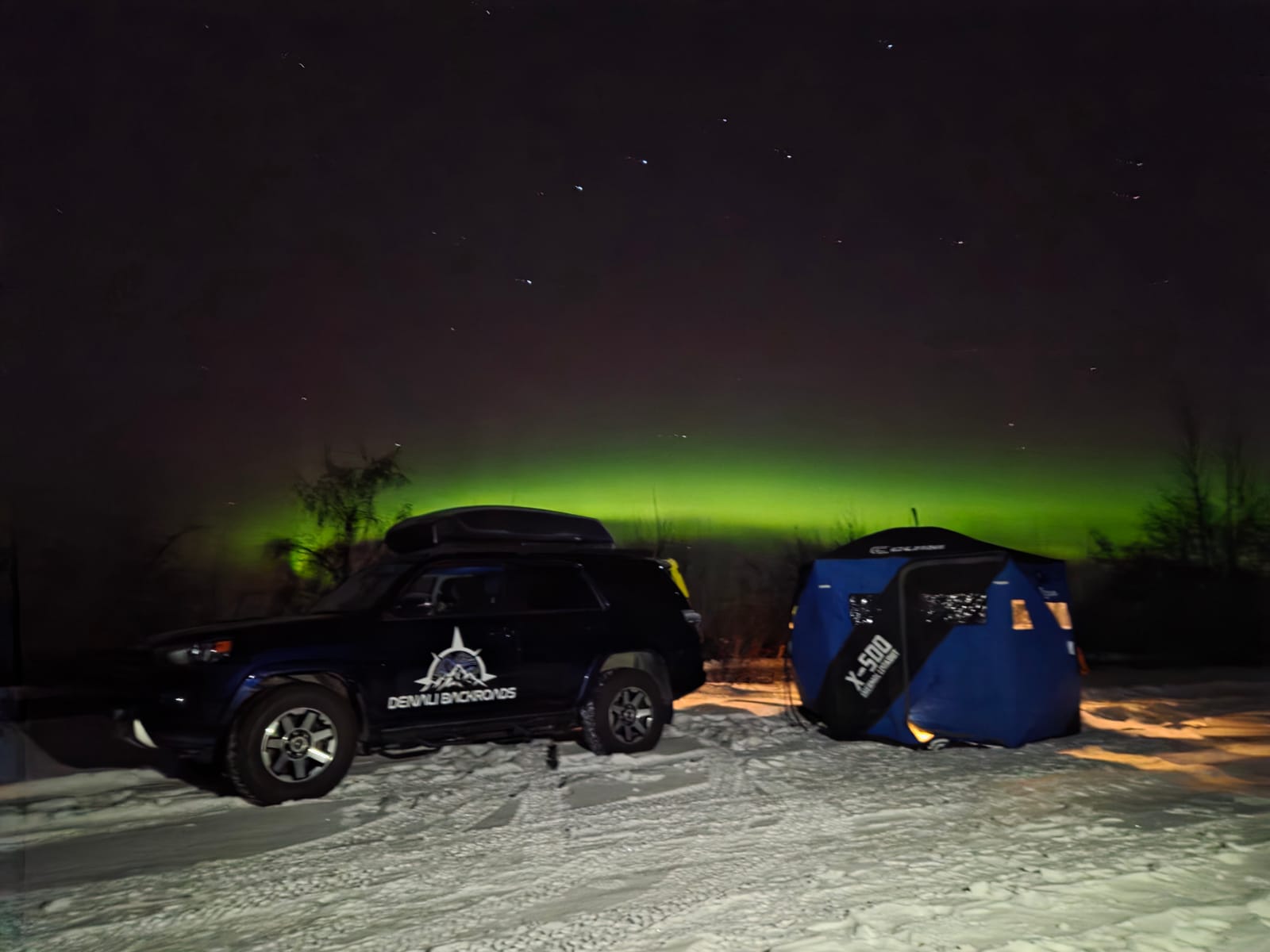
If you spend any length of time in Fairbanks, you quickly learn that winter is not just a season it is a defining force. This winter’s extended cold spell reminded residents and visitors alike what Interior Alaska is known for: sustained extreme cold, ice fog hanging in the air and a landscape transformed into something both harsh and strikingly beautiful.
How Cold Is “Cold” in Fairbanks?
Temperature Inversion and Ice Fog
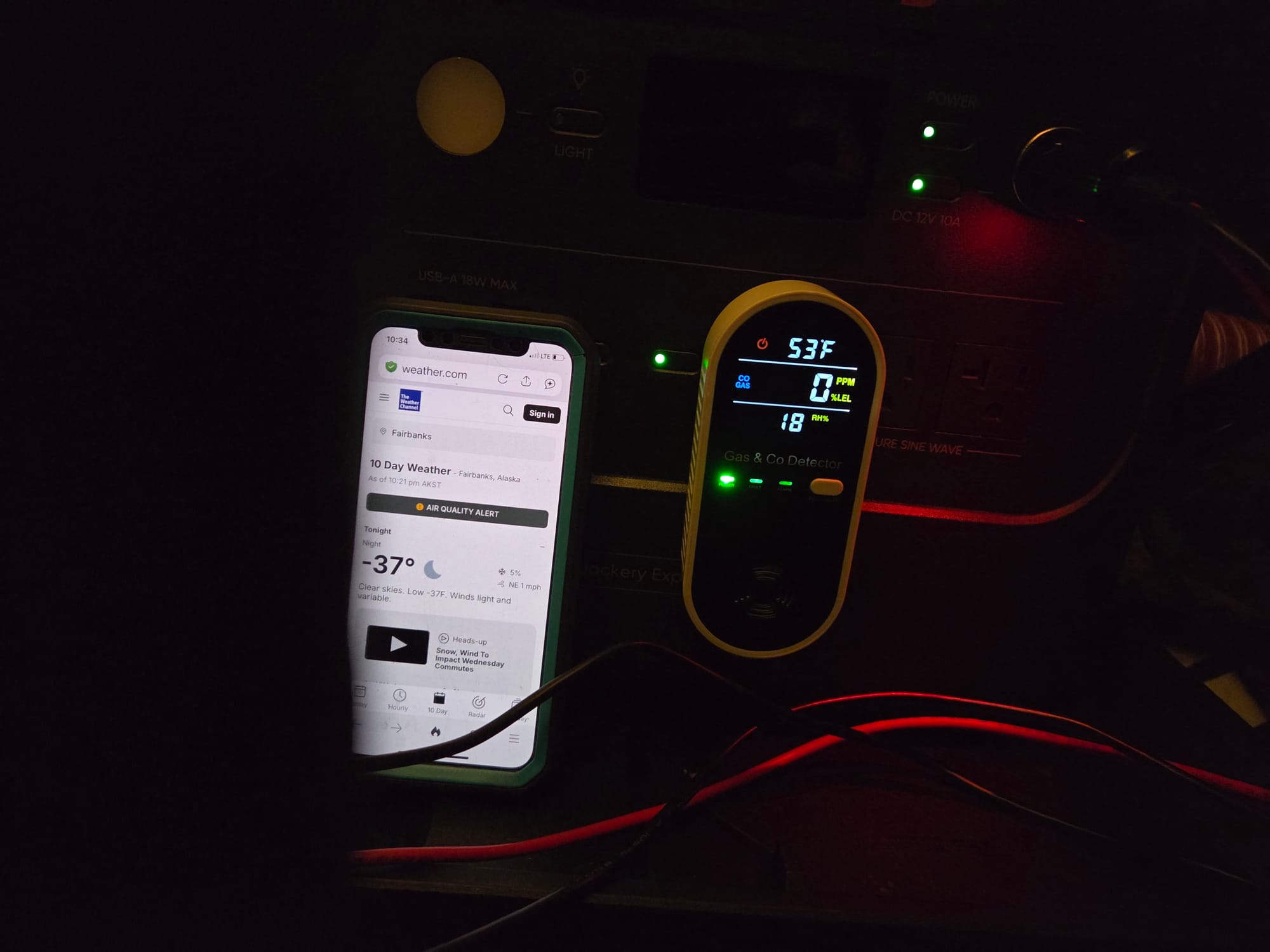
During prolonged cold snaps, temperatures in Fairbanks routinely remain between -30°F and -45°F for days or even weeks at a time. Inversions trap dense cold air in the Tanana Valley, often keeping temperatures locked well below zero even when surrounding hills are warmer. Add ice fog - tiny ice crystals suspended in the air -and visibility can drop while the sun struggles to break through.
How Extreme Cold Affects Materials and Equipment -
At these temperatures, everyday materials behave differently. Rubber stiffens, plastics become brittle, metal contracts and engines require block heaters or continuous operation. This is not an occasional inconvenience; it is a predictable and recurring part of life in Interior Alaska.
What People Do During Extreme Cold
Daily Life and Travel Adaptations
Life does not stop when the thermometer plunges. Instead, it adapts. Locals continue to commute, shop, work and recreate just with additional planning. Vehicles idle longer or stay plugged in. Outdoor tasks are broken into short intervals. Cold-weather recreation like aurora viewing, winter hiking and ice fishing remains popular, provided proper gear and time limits are respected.
Indoor Winter Culture
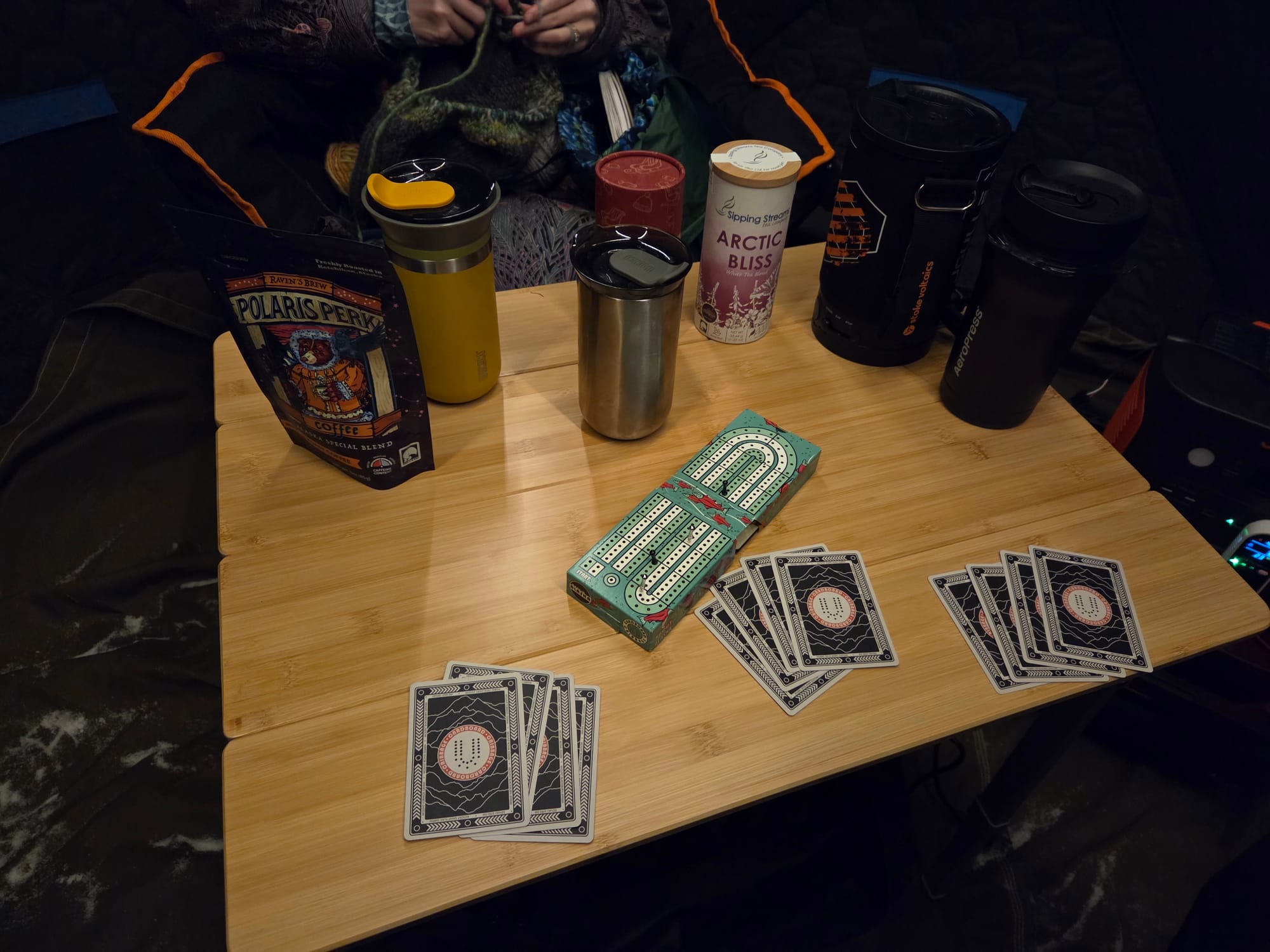
Indoors, the cold often brings people together. Homes become gathering places, coffee shops stay busy and the long nights are filled with conversation, projects and the quiet rhythm of winter living.
The Real Dangers of Prolonged Cold
Extreme cold demands respect. Frostbite can occur on exposed skin in minutes at -40°F, especially with any wind. Hypothermia is a serious risk when insulation, nutrition or shelter are inadequate. Mechanical failures are more likely: Vehicles can stall without warning, batteries lose capacity and fuel systems can gel if not properly winterized.
Ice fog adds another layer of risk. Reduced visibility increases the chance of traffic accidents, and the fine ice crystals can coat roads and equipment with slick, nearly invisible layers of ice.
Preparing for and Respecting the Cold
Clothing and Personal Safety
The key to enduring a long cold spell is preparation and humility. Layered clothing designed for extreme cold, insulated boots, face protection and gloves are not optional they are essential.
Vehicle Preparation
Vehicles should be winterized with proper fluids, strong batteries and reliable heating systems. Plans should always include contingencies: extra time, emergency supplies and a willingness to postpone travel when conditions warrant it.
Mindset and Planning
Perhaps most importantly, long cold spells reinforce a mindset that Fairbanks is famous for-patience. You move a little slower. You think a little farther ahead. You learn to listen to the environment instead of fighting it.
Cold, Beauty and Perspective
There is a quiet beauty that only extreme cold can bring. Snow squeaks underfoot. The air feels sharp and impossibly clear. On clear nights, the Northern Lights dance overhead, made even more vivid by the deep cold that keeps skies calm and dry. These moments are part of why people choose to live here and why visitors remember Fairbanks long after they leave.
The Auroralander Gear
Heated Shelter and Diesel System
The Auroralander setup is designed specifically for long Fairbanks cold spells, where reliability, heat retention and self-sufficiency matter more than comfort alone. Built around a true winterized 4WD platform, the Auroralander configuration prioritizes insulated shelter and a dedicated diesel-fired heating system.
Power, Lighting and Cold-Rated Equipment
The Auroralander also has a high-capacity portable power solution capable of running through extended sub-zero nights. Interior lighting, cold-rated blankets and thoughtfully staged gear allow guests to step out of a warm vehicle directly into an aurora-ready camp without prolonged exposure. Every component is selected to function reliably at extreme temperatures, giving travelers the confidence to stay out longer, wait patiently under clear skies and experience Interior Alaska’s deep-cold beauty safely and comfortably - even during sustained cold snaps well below zero.
For those who want to experience Interior Alaska in its most authentic winter form - without the guesswork of preparation - Denali Backroads offers fully outfitted vehicles and local insight designed specifically for Fairbanks conditions. When the cold settles in and the aurora lights up the sky, having the right equipment and local knowledge makes all the difference. Book your Denali Backroads adventure today!
Member discussion